
Antenna Accessories Manufacturer, Since 1996
Search the product
Home / All
Blog
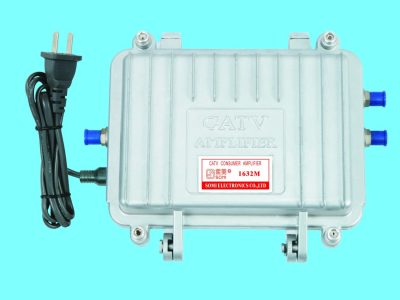
 Outdoor CATV Line Amplifiers: Gain, Slope and 127dBuV ExplainedNov 13,2026A line amplifier is specified by three things that interact: gain, output capability and how it handles the tilt that cable loss imposes. This article explains what 127 dBuV buys, why gain flatness matters more than gain, how AC 60 V powering works along a trunk, and how to run a selection calculation before ordering.
- MOQ, Tooling and Lead Times: What B2B Buyers Ask Before QuotingNov 13,2026Most first enquiries ask for a price and get an answer that cannot be acted on. This article covers the four terms that decide whether a quotation is real: minimum order quantity, tooling ownership, sampling and production windows, and the extra cycle that private label and packaging add.
- Inside Japan's CATV Supply Chains: Lessons from a Dealer NetworkNov 13,2026Japanese CATV operators audit suppliers differently from price-driven markets: consistency across shipments matters more than the lowest quote. This article describes what a dealer-channel supply relationship demands, what European and Indonesian buyers can borrow from it, and how to build the auditability that operator customers expect.
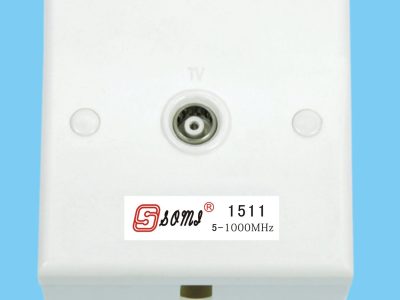
- TV Wall Sockets for European Installations: Types and StandardsNov 12,2026A wall socket is the last device in the chain and the first one the customer sees. This article compares the five families used in European and Indonesian installations, explains what 0.4 dB insertion loss means at the outlet, how a SAT socket splits satellite and terrestrial, and what to specify when the faceplate is customised.
- 2.6GHz Splitters: Distributing Satellite IF Together with Terrestrial TVNov 12,2026A splitter rated to 1 GHz will pass satellite intermediate frequency and lose more at the top of the band than its datasheet admits. This article explains the 950-2400 MHz IF window, why a 2.6 GHz part behaves differently, how to read the loss at 2400 MHz, and how to combine satellite and terrestrial feeds without degrading either.
- From Drawing to Mass Production: Our 15-20 Day Sampling ProcessNov 11,2026Sampling timelines are only meaningful when the clock has a defined start. This article sets out the five stages between a customer drawing and a production order, what the buyer must supply at each stage, what a first-article report contains, and the four reasons sampling runs late.
- How to Choose an OEM Factory for TV Signal ConnectorsNov 10,2026Most connector quotations look identical because most quotations describe the same catalogue. This guide lists the six questions that separate a factory from a trading company, what a drawing-based quotation should contain, how to read sampling and MOQ figures, and the audit checks that predict whether a second order will match the first.
- Amplify Near the Aerial, Split Passively Near the TVsNov 9,2026Most weak-signal complaints are wiring problems, not signal problems. The working rule is simple: apply gain as early as possible, then distribute passively as close to the receivers as possible. This article explains why over-amplification lowers the signal-to-noise ratio, walks through three typical topologies and lists the installation errors that produce callbacks.
- LTE 700 Interference: Filter Before You AmplifyNov 8,2026When a 4G or 5G base station sits near a TV aerial, an amplifier makes the problem worse before it makes it better. This article explains why 700 MHz downlink energy reaches the TV front end, why the filter belongs before the gain stage, and how to diagnose an interference complaint in four steps.
- Metal Shielding vs Sprayed Plastic: Why 100dB MattersNov 7,2026Shielding figures are routinely quoted and rarely measured. A sputtered aluminium film on a plastic housing is not the same thing as a die-cast enclosure bonded to the connector bodies. This article explains what 100 dB means in practice, how ingress from LTE and 5G shows up on screen, and what to check on incoming goods.
- Insertion Loss You Can Trust: Reading a Splitter DatasheetNov 5,2026A splitter datasheet that says 5-2500MHz tells you almost nothing. What matters is insertion loss band by band, isolation between ports and return loss at the edges. This guide reads a real 2.6GHz splitter specification, explains where the 4.2 to 7.8 dB range comes from, and lists what to request before you approve a batch.
- Why Cheap TV Amplifiers Fail: Smoothing Caps, Hum and NoiseNov 3,2026Cheap TV amplifiers usually die the same way: a dried-out smoothing capacitor, a hum bar on the picture and a rising noise floor. This article walks through that failure chain, explains why a sputtered plastic case cannot shield anything, and lists the three datasheet numbers that separate a usable amplifier from a disposable one.



Antenna Connectors Manufacturer
www.hzsomi.com