Antenna Accessories Manufacturer, Since 1996
Search the product
Signal Performance Explained
 LTE 700 Interference: Filter Before You AmplifyNov 8,2026When a 4G or 5G base station sits near a TV aerial, an amplifier makes the problem worse before it makes it better. This article explains why 700 MHz downlink energy reaches the TV front end, why the filter belongs before the gain stage, and how to diagnose an interference complaint in four steps.
- Metal Shielding vs Sprayed Plastic: Why 100dB MattersNov 7,2026Shielding figures are routinely quoted and rarely measured. A sputtered aluminium film on a plastic housing is not the same thing as a die-cast enclosure bonded to the connector bodies. This article explains what 100 dB means in practice, how ingress from LTE and 5G shows up on screen, and what to check on incoming goods.
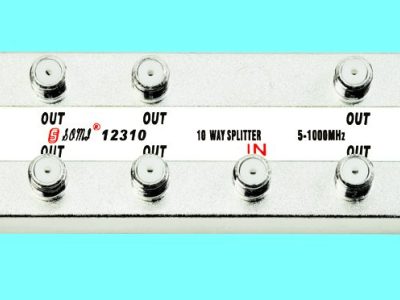
- Insertion Loss You Can Trust: Reading a Splitter DatasheetNov 5,2026A splitter datasheet that says 5-2500MHz tells you almost nothing. What matters is insertion loss band by band, isolation between ports and return loss at the edges. This guide reads a real 2.6GHz splitter specification, explains where the 4.2 to 7.8 dB range comes from, and lists what to request before you approve a batch.
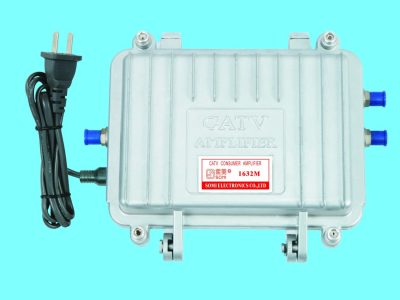
- Why Cheap TV Amplifiers Fail: Smoothing Caps, Hum and NoiseNov 3,2026Cheap TV amplifiers usually die the same way: a dried-out smoothing capacitor, a hum bar on the picture and a rising noise floor. This article walks through that failure chain, explains why a sputtered plastic case cannot shield anything, and lists the three datasheet numbers that separate a usable amplifier from a disposable one.

Antenna Connectors Manufacturer
www.hzsomi.com