
Inside Japan's CATV Supply Chains: Lessons from a Dealer Network
Operator-grade supply is judged on consistency rather than on the lowest price. A Japanese CATV operator buys through a dealer network and expects each shipment to match the last one: same plating thickness, same mating force, same packing, with a document trail that survives an audit two years later. The evaluation is less about a single sample and more about whether the process, the records and the change control are stable enough that the tenth order behaves like the first.
What a dealer-channel relationship actually looks like
A dealer does not buy one connector; it holds a range and re-orders in monthly or quarterly cycles against a forecast it does not fully control. That structure puts a premium on short, reliable replenishment rather than on the largest possible single shipment. The supplier's job becomes keeping a buffer of standard parts ready and reserving capacity for the variants that move, while the dealer's job is to communicate demand early enough for that reservation to mean something.
This is the structure behind SOMI's own sales pattern: the Japanese market accounts for roughly 90 percent of revenue and is served through a dealer network rather than direct to operators. Customer names, volumes and pricing are confidential, and nothing in this article discloses them. What can be described is the operating discipline that such a channel demands, because that discipline is transferable.
Consistency: the metric that replaces price
A price-driven buyer compares quotations and negotiates. An operator-driven buyer compares shipments and audits. The second approach assumes the first order will be acceptable and asks whether the tenth will be identical, which shifts attention from the sample to the process behind it: plating bath control, tool wear monitoring, and whether a change in material supplier triggers a new approval.
For a connector this shows up in details that a catalogue cannot express. Plating thickness within a stated window on every lot. Mating force inside a band, not merely present. Contact resistance measured on a sample from each batch rather than at the start of the programme. None of these is expensive to do; all of them are expensive to prove after the fact.
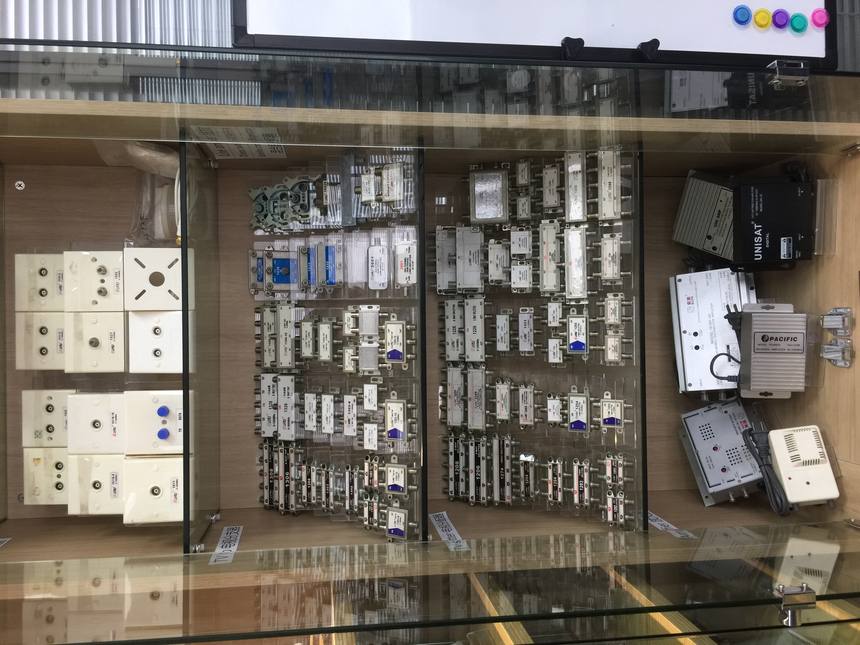
Documentation is the product
Operators and their dealers keep records for years, and a supplier who cannot produce a first-article report for a part shipped two years ago becomes a risk in the next audit. The practical requirement is that every shipment is traceable to a lot, and every lot to a measurement record. That is a filing discipline more than a technology, and it is the first thing that breaks when a supplier grows quickly.
- First-article report per part, retained and retrievable.
- Lot number on the packing list, linked to a measurement record.
- Change notification before a material or process change, not after.
- Deviation record with the customer's written acceptance.
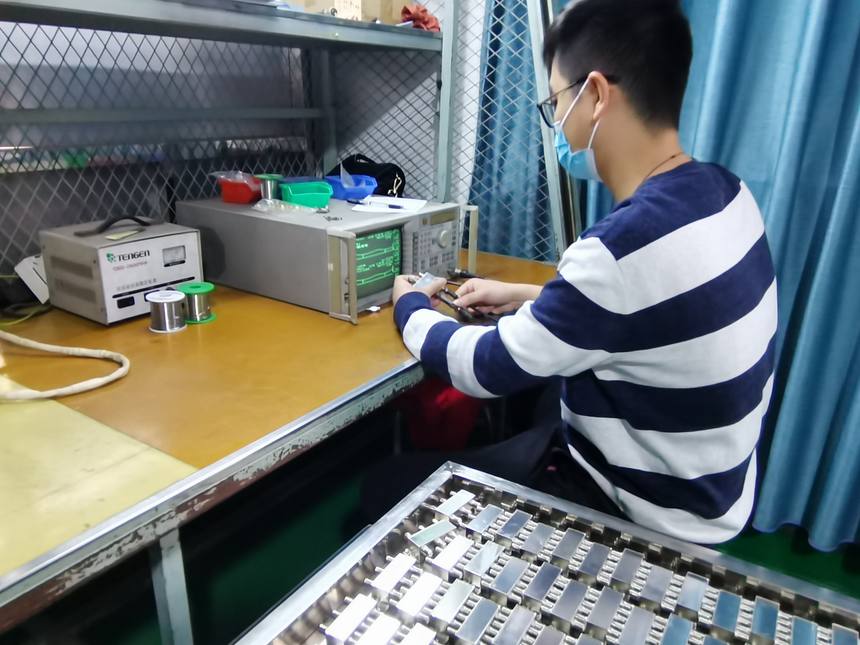
- Calibration record for the instruments used on that part type.
Monthly delivery discipline
The dealer's forecast is the other half of the arrangement. A supplier can only hold stock against a number, and a forecast that changes every month is not a forecast. The workable pattern is a rolling three-month view with a frozen first month, which gives the factory something to plan against and gives the dealer room to react to its own customers. Suppliers who ask for that structure early tend to be the ones who can hold a date.
A monthly order cadence exposes scheduling honesty. A supplier who quotes 25 to 30 days and delivers in 45 will be replaced, not negotiated with, because the dealer has promised the operator a replenishment date it cannot move. This is why operator-grade supply tends to be conservative about capacity commitments: it is better to quote a date that holds than a date that wins the order.
What European and Indonesian buyers can borrow
The same discipline applies to any market where the buyer resells rather than installs. A European distributor holding stock for installers needs the same predictability, and an Indonesian project buyer specifying for a building needs the same documentation. The difference is that Japanese operators formalise the expectation earlier in the relationship.
- Ask for lot traceability before the first order, not after the first problem.
- Agree the change-notification rule in writing, including what counts as a change.
- Set the sample approval criteria against measurements, not appearance.
- Define the re-order window rather than treating every order as a new project.
Building auditability without a quality department
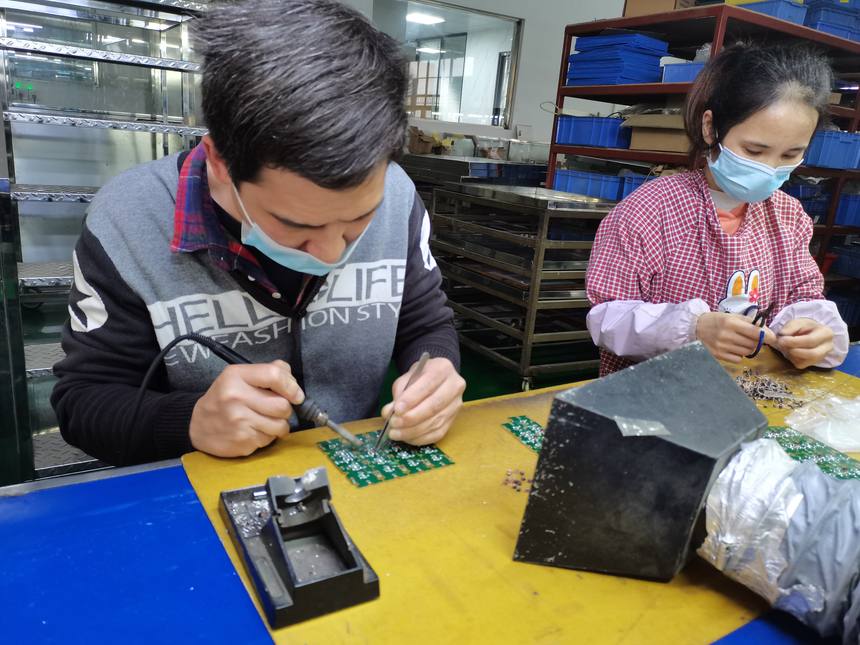
A factory does not need a large quality organisation to be auditable. It needs four habits: a measurement record per lot, a location where records live for the retention period, a named person who signs a deviation, and a change log that a customer can read. Those four habits are what separate a supplier who passes an audit from one who passes a sample.
The lesson in one sentence
Buyers who pay for consistency get fewer failures than buyers who pay for the lowest unit price, because the cost of a failure is paid at the installation and the saving is booked at the purchase order. The Japanese dealer model is not culturally mysterious; it is an accounting position about where the risk sits, and it works in any market that resells rather than consumes.
Need this checked against your own signal chain?
If you supply installers or operators and need a documented, repeatable source for TV signal components, send your part list and annual volumes. Send the details through our inquiry form or reach the team on the contact page.
Request a quotation